Standing Water in a Crawl Space: 9 Causes and How to Find Yours
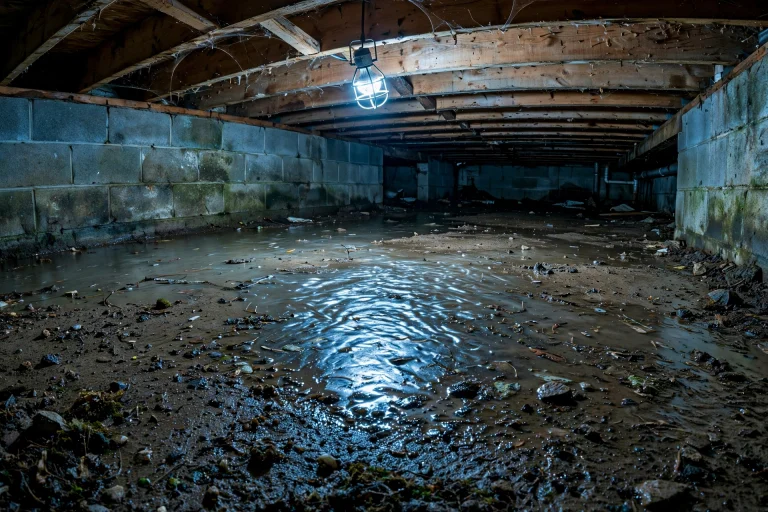
Standing water under a house is a structural risk, not just a nuisance. Here are the nine causes, how to tell them apart, and the fixes ranked by cost.
Standing water under a house is a structural risk, not just a nuisance. Here are the nine causes, how to tell them apart, and the fixes ranked by cost.
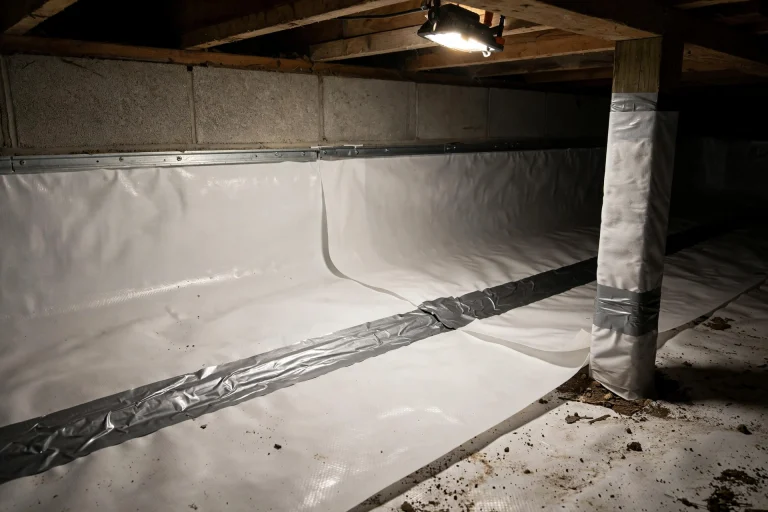
Thickness is about puncture resistance, not vapour resistance. Here is what each mil rating actually buys you and how to pick without overspending.
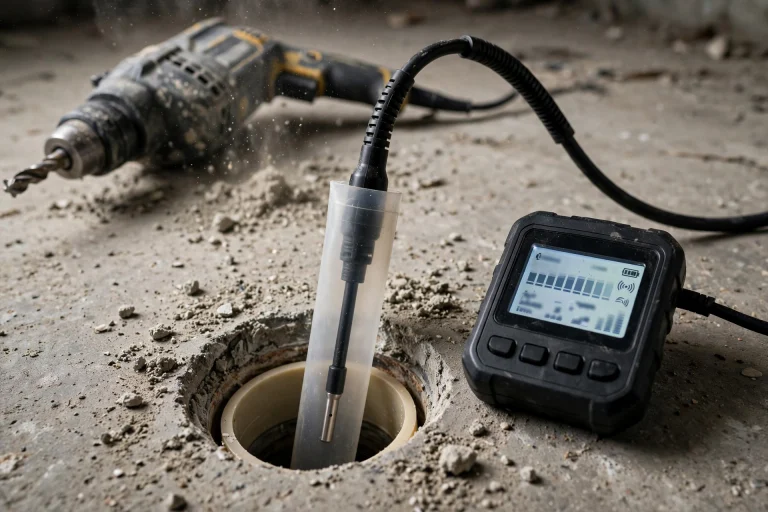
Flooring fails from below when a slab is too wet. Here are the three tests, what the numbers mean, and the thresholds manufacturers actually require.
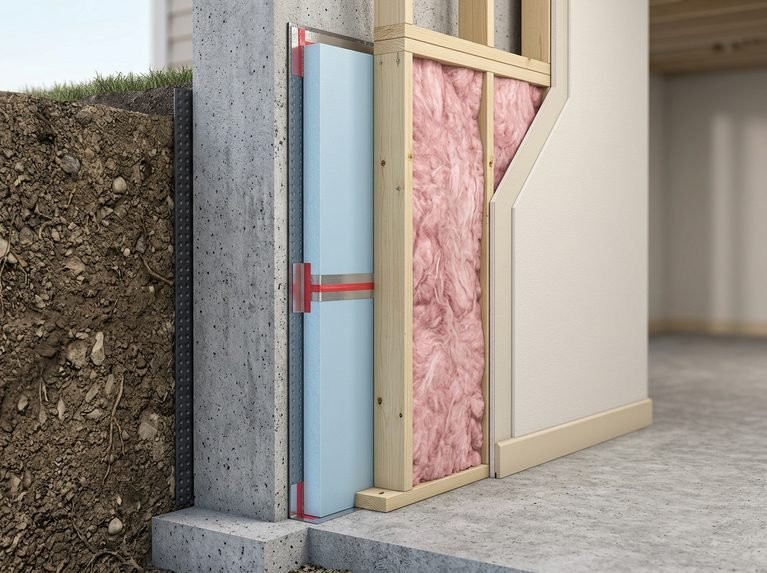
A vapor barrier on the wrong side traps moisture inside the wall. Here is what perm ratings mean, where barriers belong, and why basements are the exception.
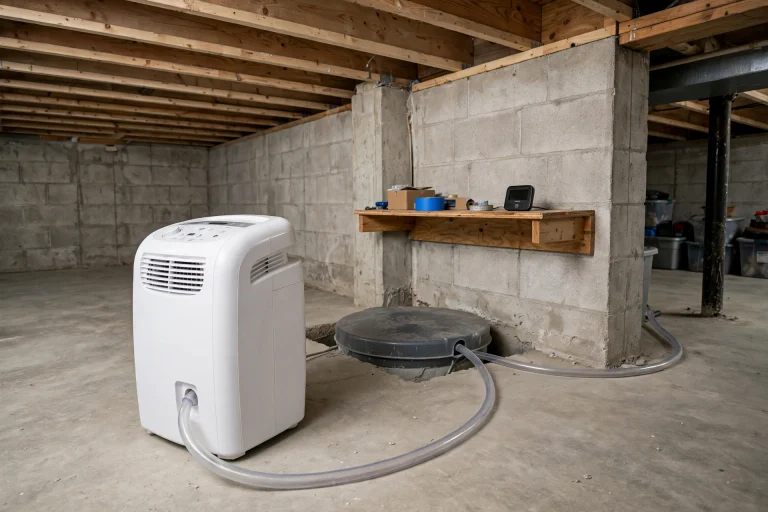
Target 45 to 50 percent. Above 60 percent mold becomes active, below 35 percent causes its own problems. Here is how to measure and hold the right number.
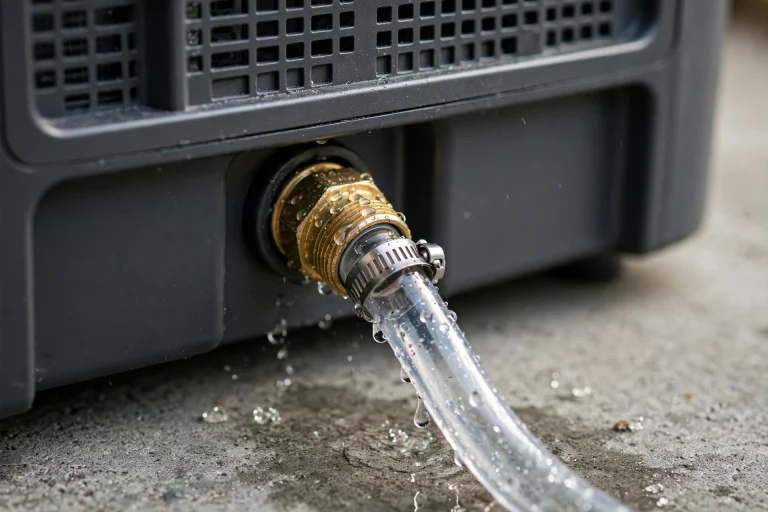
A dehumidifier removes water from air. It does nothing about water coming through your walls. Here is where the line is, plus sizing and running costs.
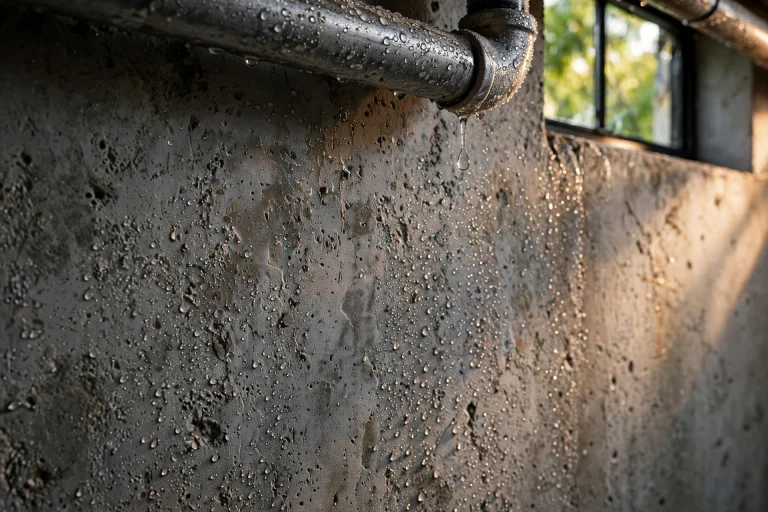
Summer sweating is condensation, not a leak. Here is the dew point physics behind it, why ventilating backfires, and the fixes that actually work.
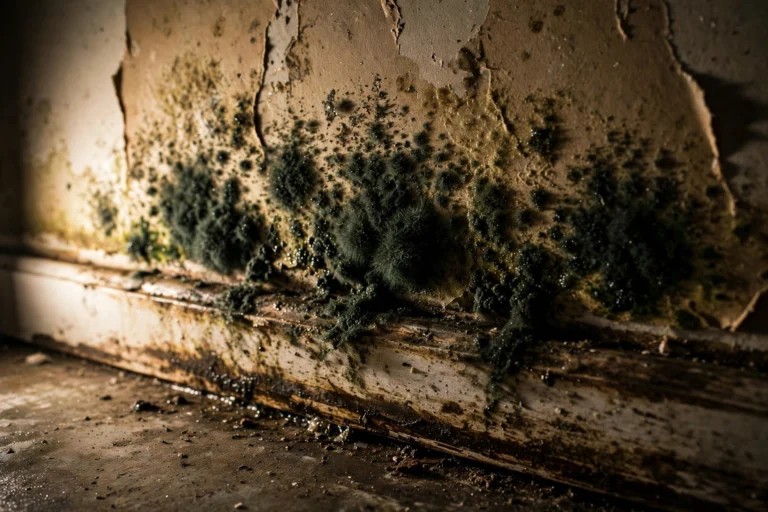
Where to look, how to distinguish mold from efflorescence, when testing is worth it, and the 10 square foot line between a DIY job and a professional one.
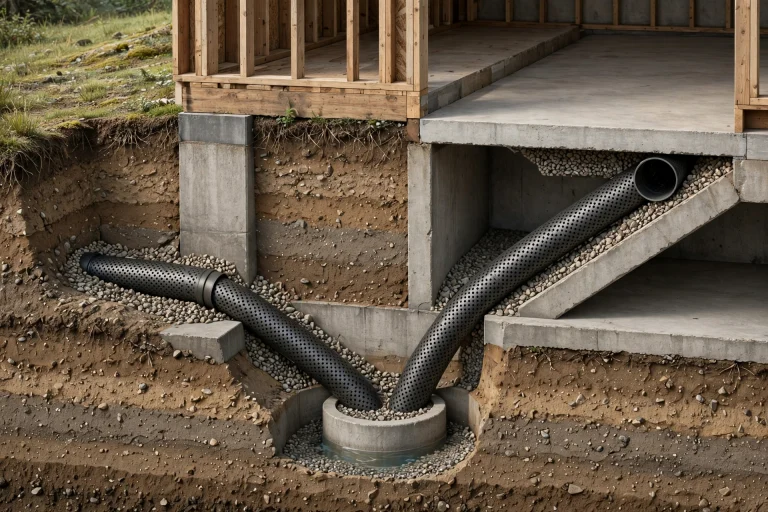
Both intercept groundwater before it reaches your basement. One does it outside the wall, one inside. Here is the honest comparison on cost, disruption and result.
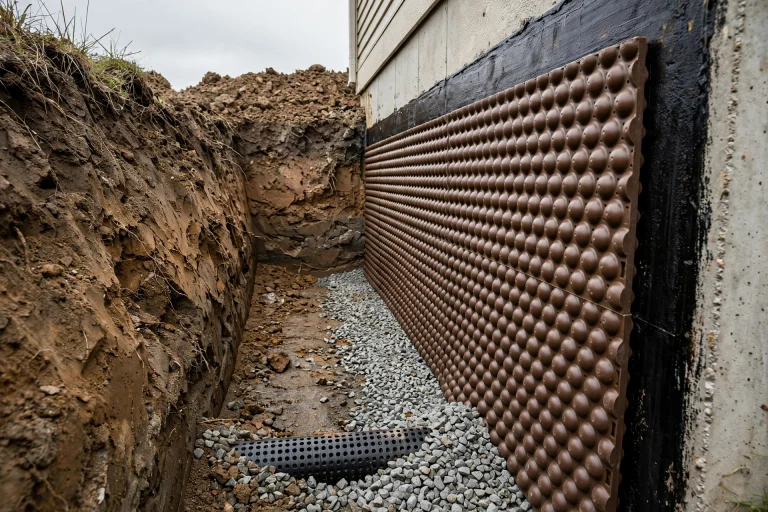
The difference is which side of the wall the water pressure is on, and it decides what can work. Here is the physics, the methods, and how to choose.