Horizontal vs Vertical Foundation Cracks: Which One Should Worry You
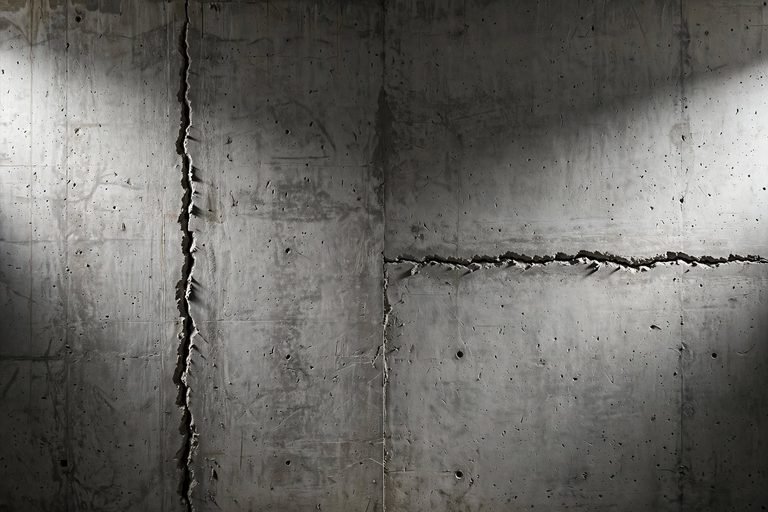
Crack direction tells you which force caused it. Here is why horizontal cracks are the serious ones, what vertical cracks really mean, and how to judge yours.
Crack direction tells you which force caused it. Here is why horizontal cracks are the serious ones, what vertical cracks really mean, and how to judge yours.
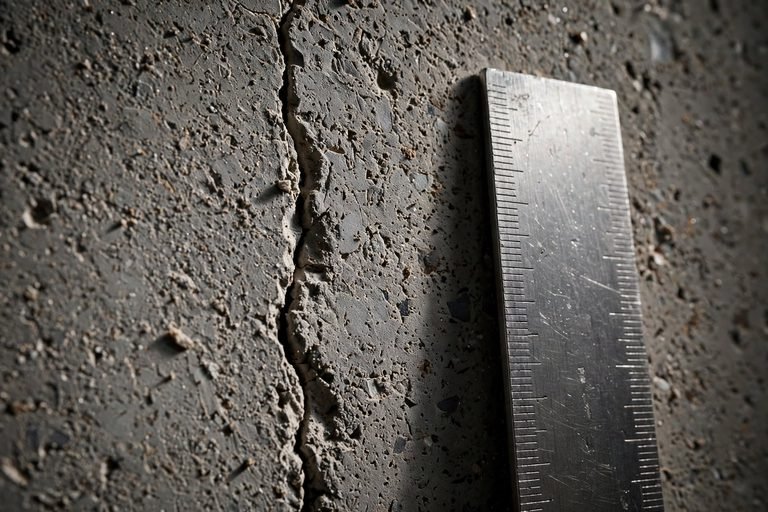
Most hairline foundation cracks are harmless shrinkage. Here are the five checks that tell you whether yours is one of them, and when a thin crack is not.

Hydraulic cement stops a leak in minutes but sits on the surface. Injection fills the full wall thickness. Here is when each one is the correct choice.
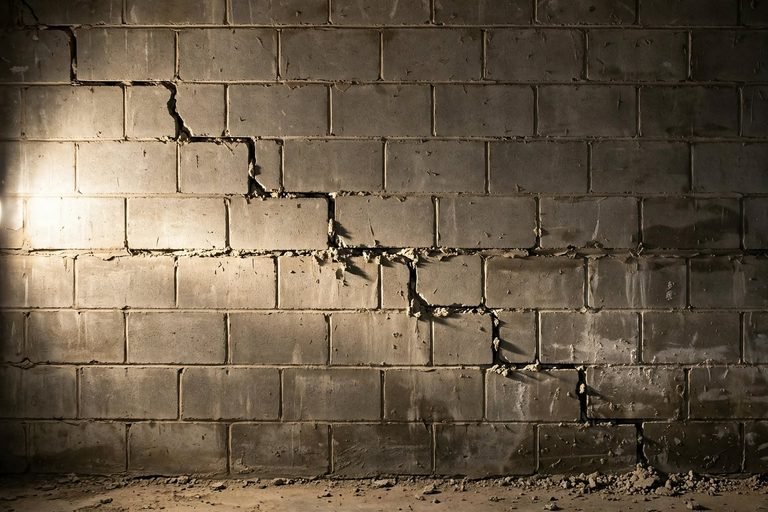
Stair-step cracks follow mortar joints because mortar is the weak link. Where the crack sits and whether the courses have shifted tells you how serious it is.

Epoxy welds a crack back together. Polyurethane foams to stop water and stays flexible. Choosing wrong is the most common reason injection repairs fail.
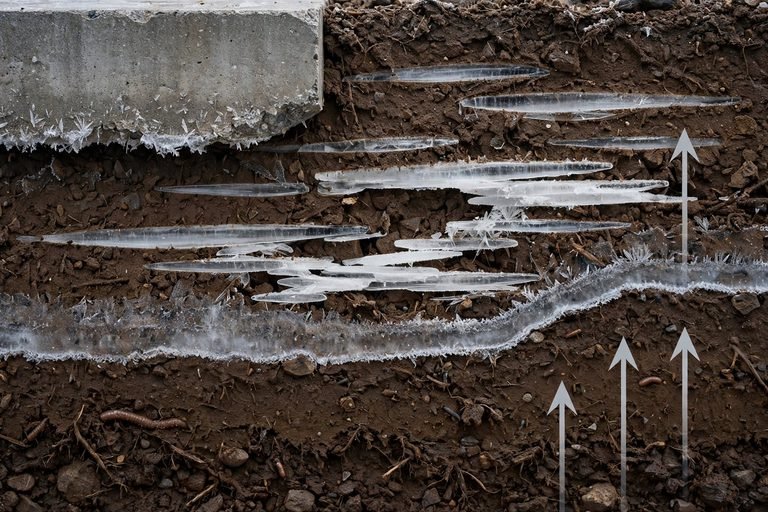
Frost heave lifts foundations far more than freezing water alone could explain. Here is how ice lenses form, what they damage first, and how to stop them.
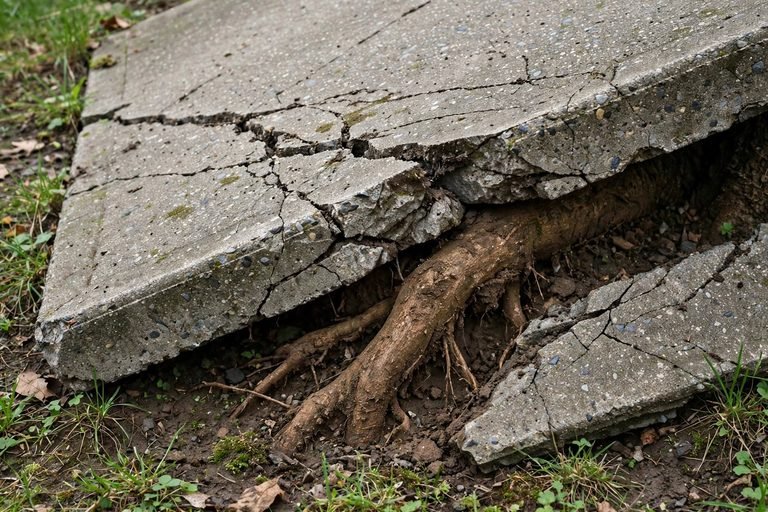
Roots rarely crack foundations by pushing. The real damage comes from trees drinking moisture out of clay soil. Here is how to tell, and why removal can backfire.
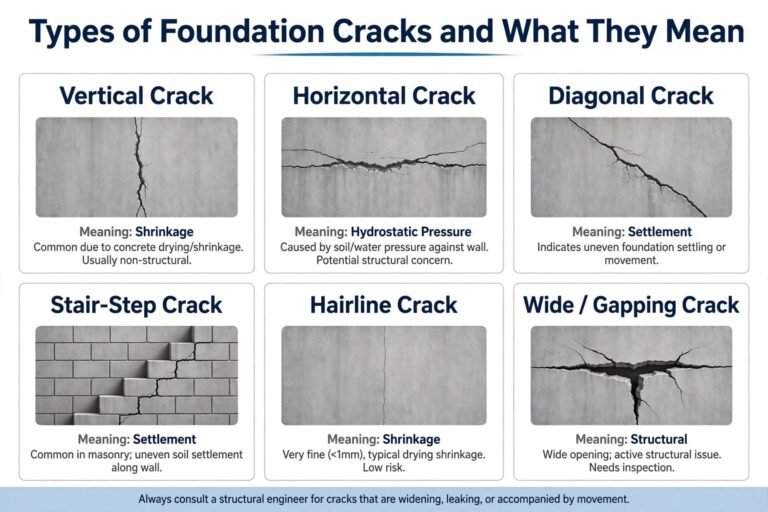
Almost every concrete foundation cracks. Concrete shrinks as it cures, soil moves, temperatures swing, and the material has enormous compressive strength but very little tensile strength. A house with zero foundation cracks is unusual; a house with a few is…