Stair-Step Cracks in a Block Foundation: What They Actually Mean
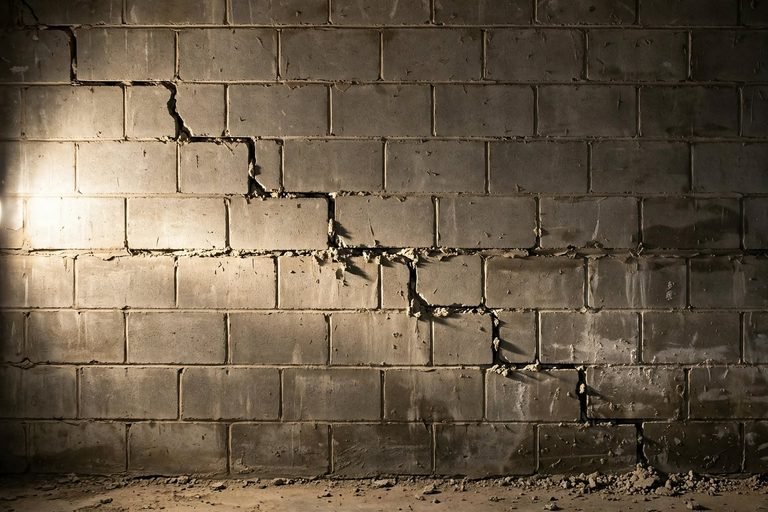
Stair-step cracks follow mortar joints because mortar is the weak link. Where the crack sits and whether the courses have shifted tells you how serious it is.

Stair-step cracks follow mortar joints because mortar is the weak link. Where the crack sits and whether the courses have shifted tells you how serious it is.

Epoxy welds a crack back together. Polyurethane foams to stop water and stays flexible. Choosing wrong is the most common reason injection repairs fail.
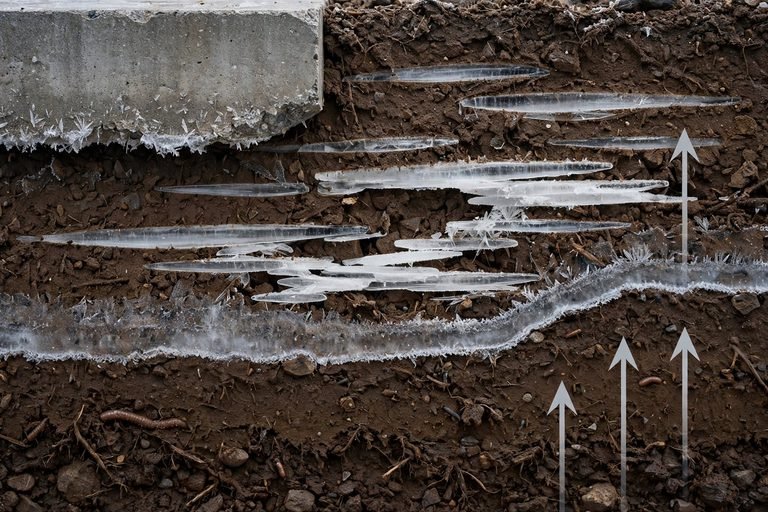
Frost heave lifts foundations far more than freezing water alone could explain. Here is how ice lenses form, what they damage first, and how to stop them.
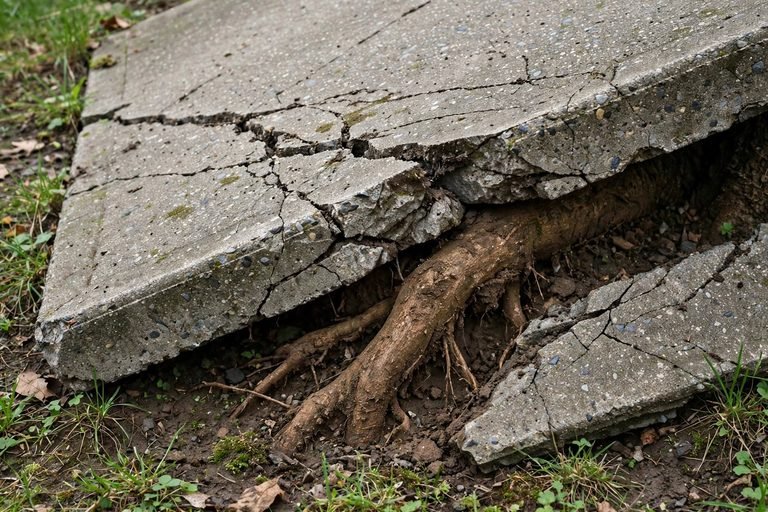
Roots rarely crack foundations by pushing. The real damage comes from trees drinking moisture out of clay soil. Here is how to tell, and why removal can backfire.
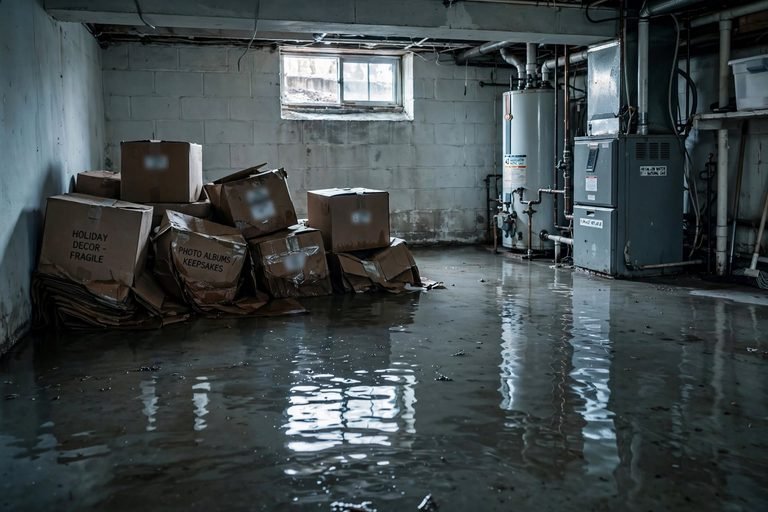
Found water in your basement after a storm? Here is the exact order of steps for safety, water removal, drying, and insurance documentation before mold sets in.
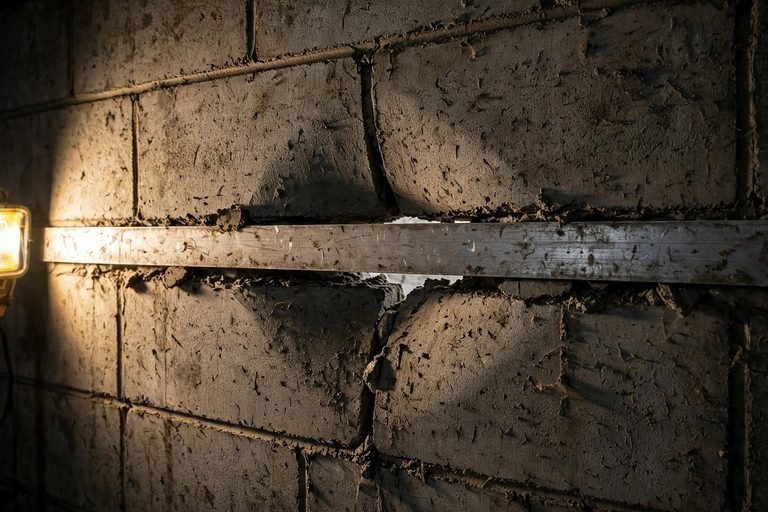
Hydrostatic pressure is the force that pushes water through concrete and bows basement walls. Here is how it builds, how to spot it, and why sealing never works.
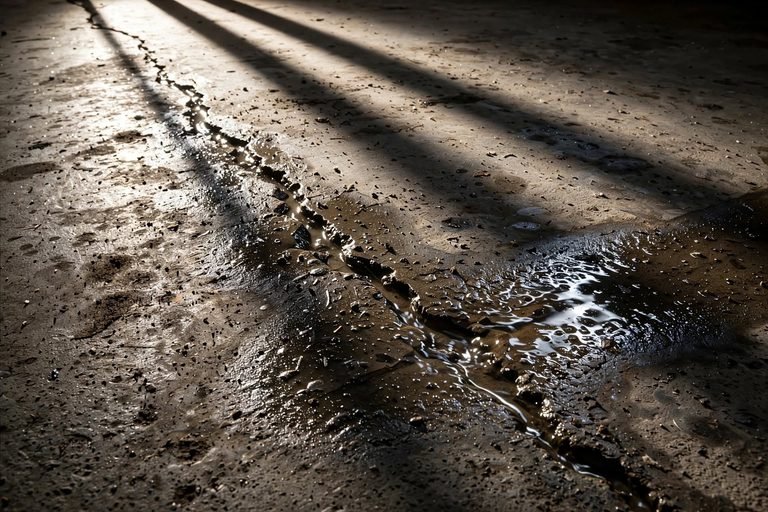
Foundation leaks rarely start with a puddle. Here are 14 warning signs, from efflorescence to insect activity, and what each one tells you about the source.
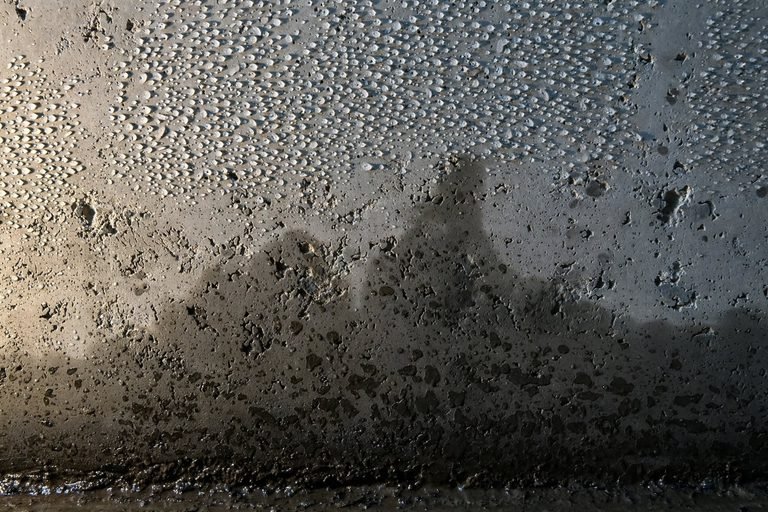
The same wet wall can mean two completely different problems with completely different fixes. Here are five tests to tell seepage from condensation.
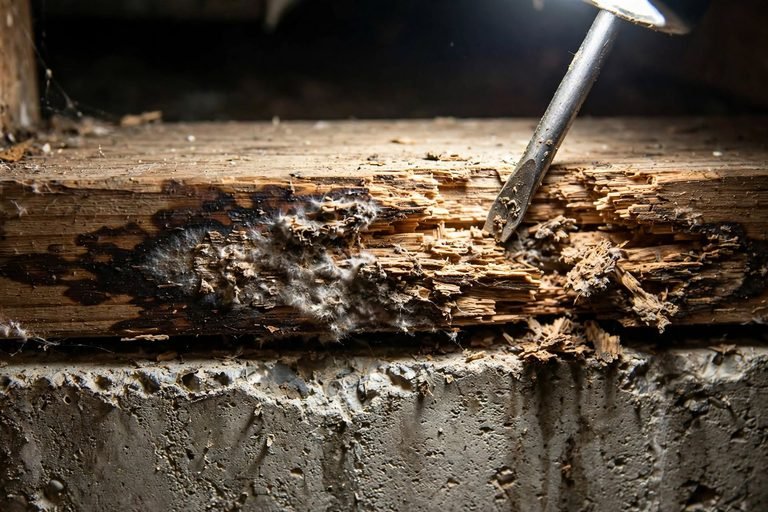
A musty basement smell is a chemical signal, not just an old-house quirk. Here are the 11 sources, how to track yours down, and what actually removes it.
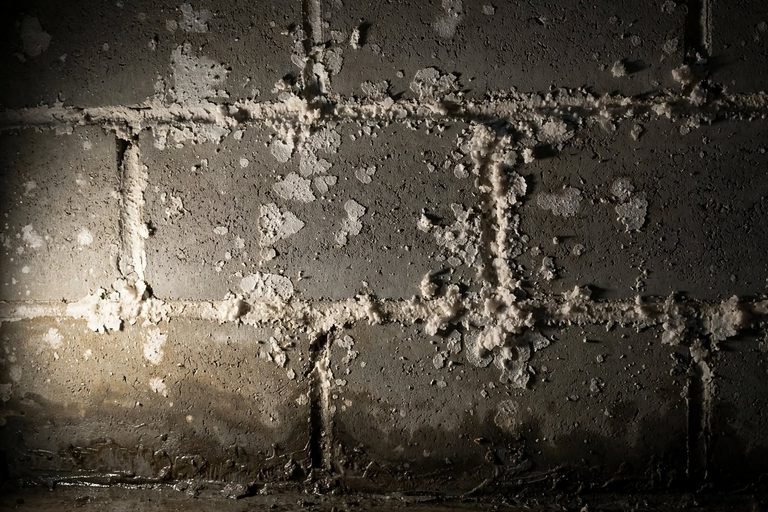
That white chalky powder on your basement wall is not mold. Here is what efflorescence is, what it proves about your foundation, and how to remove it properly.